Lipedema vs. Lymphedema: Symptoms, Diagnosis, and Treatment Options
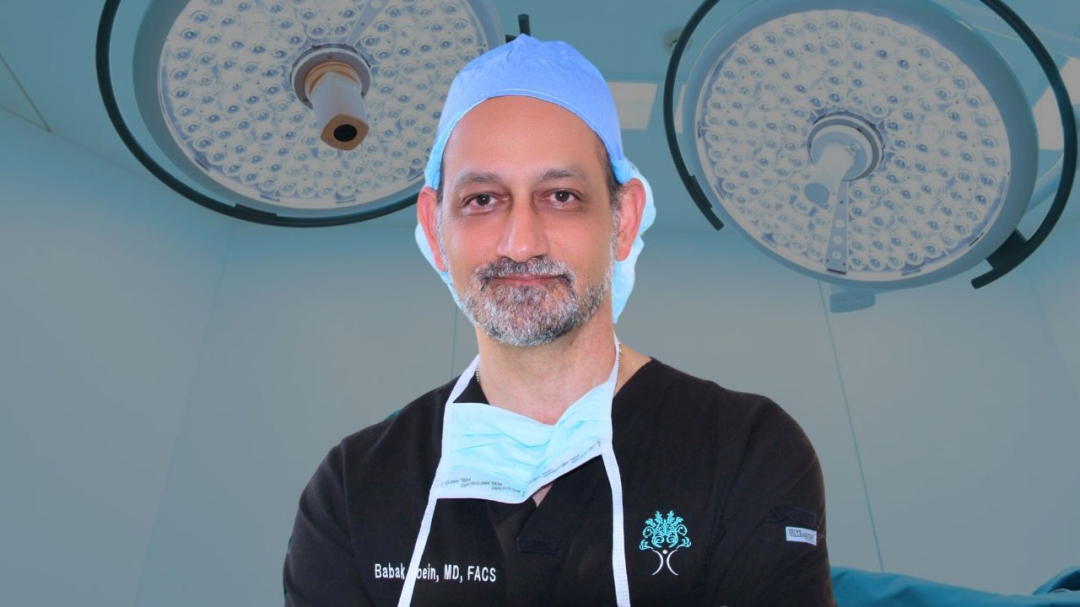
Moein Surgical Arts has published a comprehensive educational guide explaining the important differences between lipedema and lymphedema—two chronic medical conditions that can cause limb enlargement, discomfort, reduced mobility, and significant changes in quality of life.
Although lipedema and lymphedema may appear similar, they develop for different biological reasons and often require different treatment strategies. According to Dr. Babak Moein, a board-certified surgeon and founder of Moein Surgical Arts, accurately identifying the cause of chronic swelling is an essential first step in developing an appropriate treatment plan.
“Patients with persistent leg or arm enlargement are frequently told that their condition is simply related to weight gain,” said Dr. Moein. “However, lipedema and lymphedema are complex medical disorders that require a more detailed evaluation.”
Why the Difference Between Lipedema and Lymphedema Matters
Lipedema is primarily a disorder involving abnormal fat distribution, while lymphedema results from impaired lymphatic drainage and the accumulation of protein-rich fluid within the tissues.
Both conditions can become progressively more severe when they are not properly managed. However, their symptoms, patterns of progression, and treatment options differ significantly.
Recognizing whether a patient has lipedema, lymphedema, or a combination of both can help prevent delayed treatment, unnecessary weight-related stigma, and potentially irreversible changes in the affected tissues.
What Is Lipedema?
Lipedema is a chronic and progressive disorder of adipose tissue that predominantly affects women. It commonly produces a disproportionate and symmetrical accumulation of abnormal fat in the legs, thighs, hips, buttocks, or arms.
The condition frequently begins or worsens during periods of hormonal change, including:
-
Puberty
-
Pregnancy
-
Menopause
-
Other significant hormonal transitions
Genetic and hereditary factors may also contribute to its development.
Unlike ordinary weight gain, lipedema fat may respond poorly to calorie restriction and exercise. A patient may lose weight in the abdomen, face, or upper body while continuing to experience disproportionate enlargement of the lower body.
Common Signs and Symptoms of Lipedema
Several clinical features can help distinguish lipedema from other causes of limb enlargement.
Symmetrical Limb Enlargement
Lipedema typically affects both legs or both arms in a relatively symmetrical pattern. This differs from many cases of lymphedema, which may initially affect only one limb.
The Cuff Sign
Lipedema-related enlargement commonly stops abruptly at the ankles or wrists. The feet and hands are usually spared, producing a cuff-like appearance.
Pain and Tenderness
The affected tissue may feel painful, tender, heavy, or sensitive to pressure. Some patients experience discomfort even with light touch.
Easy Bruising
Fragile small blood vessels within lipedema-affected tissue may cause bruising after relatively minor contact or trauma.
Resistance to Diet and Exercise
Although healthy nutrition and physical activity remain important for overall health, they generally do not eliminate the pathological fat associated with lipedema.
Nodular or Uneven Tissue
As lipedema progresses, the tissue may feel soft, lumpy, nodular, or uneven beneath the skin.
Lipedema Is Not the Same as Cellulite
Lipedema is sometimes mistaken for severe cellulite because both conditions can produce an uneven or dimpled skin appearance.
However, cellulite is primarily a cosmetic skin-texture concern caused by the relationship between fat, connective tissue, and the skin. It does not typically cause persistent pain, easy bruising, symmetrical limb enlargement, or progressive mobility limitations.
Lipedema is a medical condition involving abnormal adipose tissue and should not be dismissed as cellulite or ordinary obesity.
What Is Lymphedema?
Lymphedema occurs when the lymphatic system cannot adequately transport and drain lymphatic fluid. This leads to the accumulation of protein-rich fluid within the tissues, producing swelling, heaviness, tightness, and progressive tissue changes.
Lymphedema may be classified as either primary or secondary.
Primary Lymphedema
Primary lymphedema is associated with developmental abnormalities of the lymphatic vessels or lymph nodes. It may appear during infancy, adolescence, or adulthood.
Secondary Lymphedema
Secondary lymphedema develops after damage to a previously functioning lymphatic system. Common causes include:
-
Cancer surgery involving lymph-node removal
-
Radiation therapy
-
Trauma or injury
-
Infection
-
Chronic venous disease
-
Certain surgical procedures
-
Severe obesity or tissue compression
Common Signs and Symptoms of LymphedemaAsymmetrical Swelling
Lymphedema may initially affect one leg, one arm, or one side of the body more significantly than the other.
Swelling of the Feet or Hands
Unlike classic lipedema, lymphedema commonly affects the tops of the feet or hands and may extend into the toes or fingers.
Pitting Edema
During the earlier stages of lymphedema, pressing a finger into the swollen tissue may leave a temporary indentation known as pitting.
Positive Stemmer Sign
A positive Stemmer sign occurs when the skin at the base of the second toe or finger cannot be easily lifted or pinched because of swelling and tissue thickening.
Skin Thickening
Long-standing lymphedema may cause the skin and underlying tissues to become firm, fibrotic, thickened, or woody.
Increased Risk of Infection
Because normal lymphatic circulation supports immune function, patients with lymphedema may have a higher risk of cellulitis and other soft-tissue infections.
When Lipedema and Lymphedema Occur Together
In advanced lipedema, excessive adipose tissue may place increasing pressure on lymphatic vessels and interfere with normal lymphatic flow.
When lipedema begins to produce secondary lymphatic dysfunction, the condition may be described as lipo-lymphedema.
A patient who previously had swelling that stopped at the ankles may eventually develop swelling in the feet if lymphatic drainage becomes compromised. This progression emphasizes the importance of early diagnosis, ongoing monitoring, compression therapy, and appropriate specialist care.
A Comprehensive Diagnostic Approach at Moein Surgical Arts
At Moein Surgical Arts in Los Angeles, patients with chronic limb enlargement are evaluated through a detailed process intended to distinguish lipedema from lymphedema, venous disease, obesity, cellulite, and other potential causes of swelling.
The evaluation may include:
Detailed Medical History
The clinical team reviews the onset and progression of swelling, hormonal changes, family history, previous surgeries, cancer treatments, pain, bruising, and response to diet or exercise.
Physical Examination
The examination may evaluate limb symmetry, tissue texture, tenderness, ankle cuffing, foot involvement, pitting, skin thickening, and the Stemmer sign.
Vascular and Lymphatic Assessment
When appropriate, ultrasound or other diagnostic studies may be recommended to evaluate venous circulation and rule out vascular conditions that can mimic or worsen swelling.
Differential Diagnosis
Because several conditions may occur simultaneously, the goal is not simply to assign a label but to determine which combination of adipose, lymphatic, venous, and metabolic factors may be contributing to the patient’s symptoms.
Conservative Treatment for Chronic Swelling
Conservative treatment is often an important component of care for both lipedema and lymphedema.
Manual Lymphatic Drainage
Manual lymphatic drainage is a specialized therapeutic technique designed to encourage lymphatic fluid movement toward functioning drainage pathways.
Compression Therapy
Medical-grade compression garments may help control swelling, support the tissues, reduce discomfort, and limit fluid reaccumulation.
Physical Activity
Low-impact activities such as walking, swimming, cycling, and aquatic exercise may support circulation, mobility, and muscle-assisted lymphatic flow.
Weight and Metabolic Management
Although weight loss does not directly eliminate lipedema tissue, maintaining a healthy body weight may reduce mechanical stress, inflammation, and secondary lymphatic overload.
Anti-Inflammatory Nutrition
Reducing highly processed foods, excess sodium, refined sugars, and other dietary triggers may help some patients manage inflammation and fluid retention.
Skin Care
Patients with lymphedema should protect the skin, promptly address cuts or irritation, and seek medical attention for redness, warmth, fever, or rapidly increasing swelling.
Specialized Liposuction for Appropriate Lipedema Patients
Conservative therapy can help manage symptoms, but it does not physically remove the abnormal adipose tissue associated with lipedema.
For carefully selected patients, specialized liposuction may be considered as part of a comprehensive treatment plan.
Dr. Moein utilizes advanced body-contouring technologies, including VASER-assisted liposuction, when clinically appropriate. VASER technology uses ultrasound energy to help separate fat before removal, potentially allowing the surgeon to perform more controlled fat extraction.
When treating lipedema, surgical planning must account for the location of lymphatic structures and the patient’s existing tissue condition. The goal is to minimize unnecessary trauma while reducing pathological fat volume.
Potential benefits for appropriately selected patients may include:
-
Reduced limb heaviness
-
Decreased pressure and tenderness
-
Improved mobility
-
Greater ease with exercise and daily activities
-
Improved limb proportion
-
Reduced mechanical burden on the lymphatic system
No surgical procedure is risk-free, and treatment outcomes vary. Patients require individualized evaluation to determine whether surgery is appropriate.
Why Specialist Experience Is Important
Lipedema surgery is not the same as routine cosmetic liposuction. Patients may have fragile capillaries, chronic inflammation, lymphatic impairment, fibrosis, mobility limitations, or other medical concerns that require specialized planning.
At Moein Surgical Arts, treatment focuses on both body contour and functional improvement. The practice recognizes that many patients have experienced years of misdiagnosis, unsuccessful dieting, reduced mobility, discomfort, and weight-related stigma.
A comprehensive treatment plan may combine conservative therapies, surgical intervention, compression, rehabilitation, nutritional guidance, and long-term monitoring.
Early Diagnosis May Help Limit Disease Progression
Patients should consider a specialist evaluation when they experience persistent symptoms such as:
-
Symmetrical leg or arm enlargement
-
Painful or tender fatty tissue
-
Easy bruising
-
Swelling that does not improve with weight loss
-
A visible cuff at the ankles or wrists
-
Swelling involving one foot, one hand, or one limb
-
Pitting edema
-
Recurrent skin infections
-
Progressive heaviness or reduced mobility
Early evaluation may help identify the underlying condition before severe tissue fibrosis or secondary lymphatic damage develops.
About Moein Surgical Arts
Moein Surgical Arts is a Los Angeles-based surgical practice led by Dr. Babak Moein. The practice provides individualized evaluation and treatment for patients seeking cosmetic, functional, and advanced body-contouring procedures.
Dr. Moein’s approach combines surgical experience, advanced liposuction technologies, and detailed anatomical assessment to develop personalized treatment plans for patients with complex body-contouring needs.
Schedule a Lipedema or Lymphedema Evaluation in Los Angeles
Patients in Los Angeles, Beverly Hills, and surrounding communities who are concerned about chronic limb swelling, painful fat, unexplained bruising, or disproportionate leg enlargement may contact Moein Surgical Arts to schedule a comprehensive consultation.
A detailed evaluation can help distinguish between lipedema, lymphedema, lipo-lymphedema, venous disease, and other causes of persistent swelling.
Media Contact
Company Name: Moein Surgical Arts
Contact Person: Dr. Babak Moein
Email: Send Email
Phone: +1(310) 455-8020
Address:2080 Century Park East, Suite 501
City: Los Angeles
State: California
Country: United States
Website: https://www.moeinsurgicalarts.com/


